
Listen Now
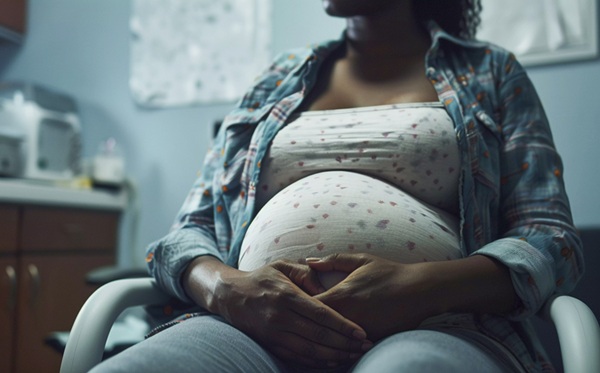
An unexpected pregnancy can be one of the most difficult situations a woman faces — especially when life already feels uncertain. The fears, the pressure, and the endless “what ifs” can feel overwhelming.
How will I provide for a child?
How will I raise a child on my own?
Not now — I’m not ready for a baby.
What will this mean for my future?
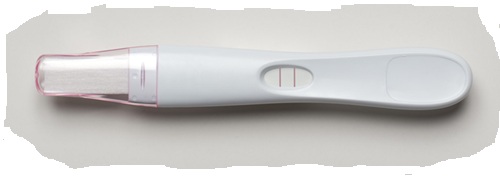
These were the questions racing through Emmy’s mind as she stared at the two pink lines on the grocery store pregnancy test.
After leaving a 17-year-long abusive relationship, Emmy was rebuilding her life as a single mom to her young son. She was working full-time and carrying the weight of providing for her small family. An unplanned pregnancy was the last thing she expected.
Yet, that’s exactly where she found herself.
“I felt completely overwhelmed,” Emmy shared. “I ordered the abortion pills and had them for about a week. Then, out of fear and pressure, I took the first pill.
“Almost immediately, I felt regret. What have I just done?”
Desperate for answers, Emmy began searching online, hoping there might still be a way forward.
Many women find themselves in situations like Emmy’s — alone, afraid, and unsure how they could possibly move forward. In moments of crisis like this, some turn to a chemical abortion, commonly known as the abortion pill.
The abortion pill is actually two medications. The first is mifepristone (also known as RU-486). It blocks the hormone progesterone, which is what the unborn baby needs to thrive and survive. The second is misoprostol, which is taken up to 48 hours later to induce contractions, causing the uterus to contract and complete the abortion.
But many women don’t realize that if they change their mind after taking the first medication, there is a window of time to seek help.
“I found the Abortion Pill Reversal website and called their hotline,” Emmy said. “A nurse spoke with me, asked a few questions, and reassured me that there might still be hope. She connected me to a local pregnancy center, and they were able to get me in that same morning. I was so thankful.”
At the center, Emmy was met with compassion and care.
“I was scared, but they were so welcoming and non-judgmental. It was just incredibly encouraging,” she recalled.
During her visit, Emmy had an ultrasound and they found a heartbeat. Under medical supervision, she started taking progesterone to replace the progesterone blocked by the first abortion pill. This restores what the baby needs to develop and grow.
“I left that day with such a sense of peace,” Emmy shared. “I felt at ease. It became easier to accept the pregnancy, and I wasn’t so hard on myself anymore. If I hadn’t gone, I think I would have carried that regret for the rest of my life.”
Research shows that Abortion Pill Reversal (APR) helps pregnancies continue about 2 out of 3 times (around 64–68%), and is safe for the mother and baby.
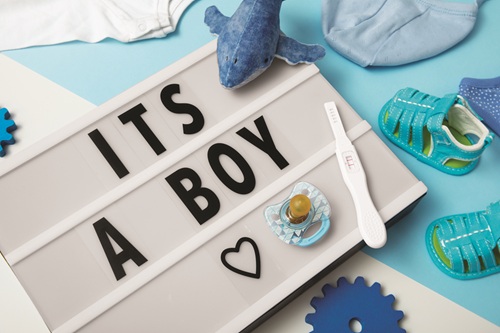
Recently, Emmy gave birth to a healthy baby boy.
 When asked what she would say to another woman facing a similar situation, her answer was simple: “Go to a pregnancy center first. They have resources, and they’ll help you process your fears and emotions. You don’t have to figure it out alone.”
Support Is Closer Than You Think
Across the United States, thousands of pregnancy resource centers offer free, confidential, and compassionate care. Many provide ultrasounds, counseling, parenting classes, and free maternity/baby supplies — walking with women not just through pregnancy, but beyond.
Find a pregnancy center near you:
pregnancydecisionline.org
866-281-3029
Learn more about Abortion Pill Reversal and where to receive this treatment:
abortionpillreversal.com
877-558-0333
Had an abortion and struggling? Find loving support here:
optionline.org/after-abortion-support
800-712-4357 (text or call)